Horseless
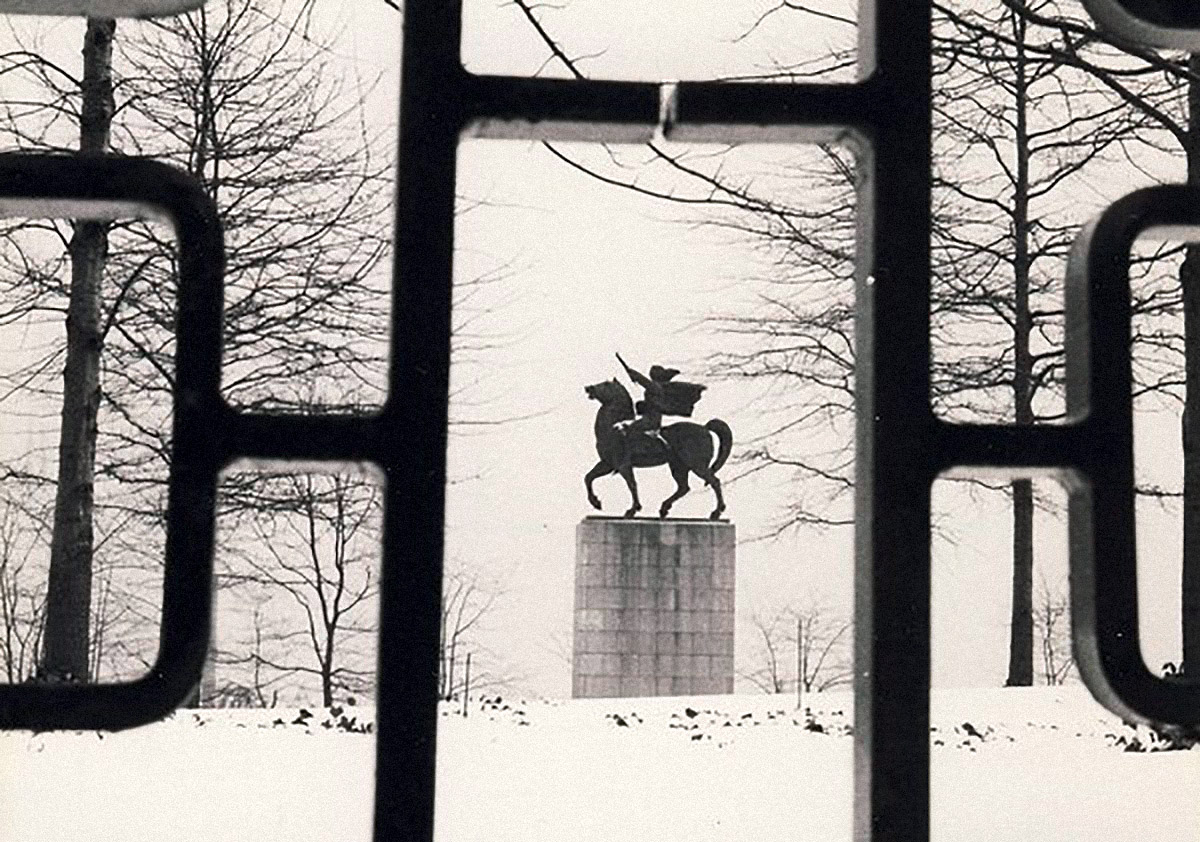
Newest Addition a Monumental Equestrian Statue From Yugoslavia Representing Mankind’s Progress Toward Peace
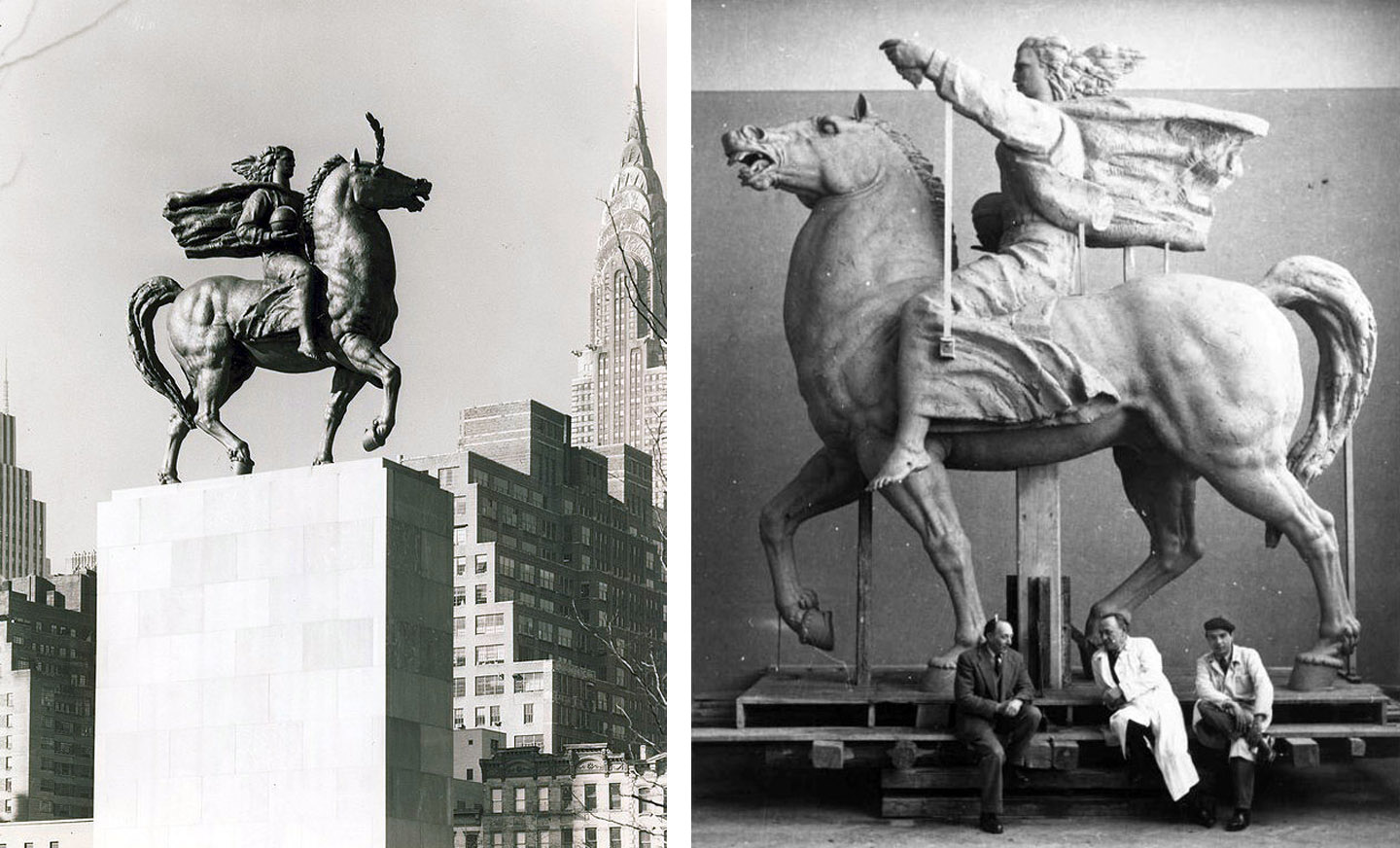
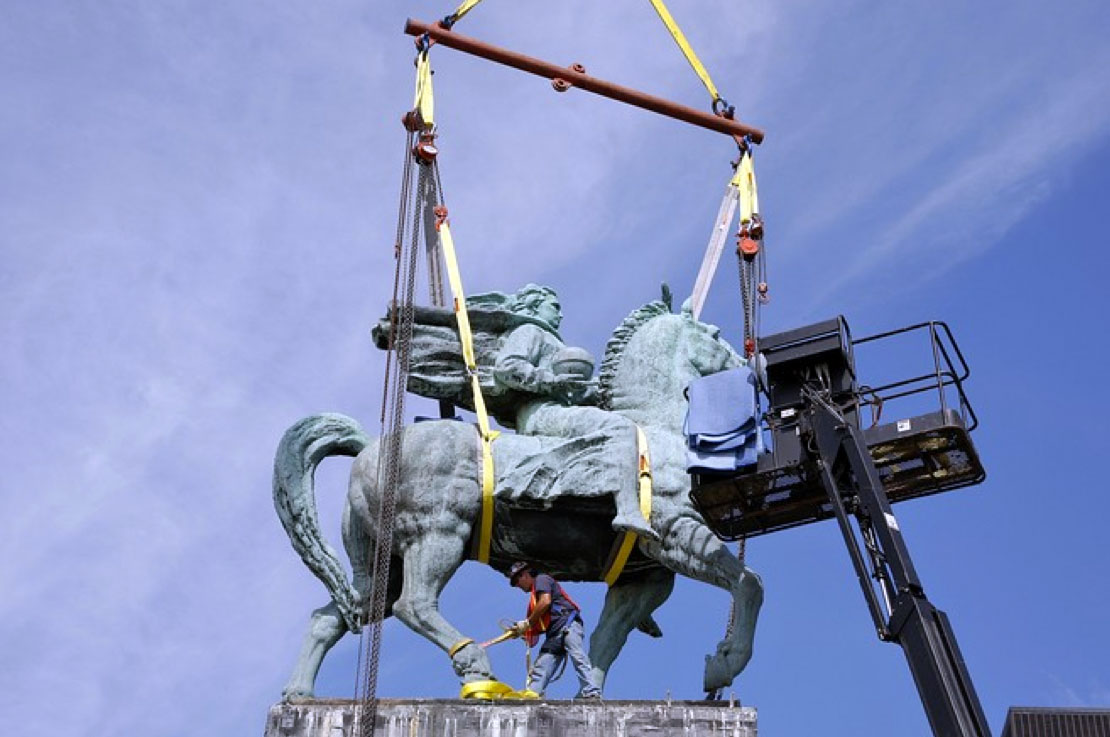
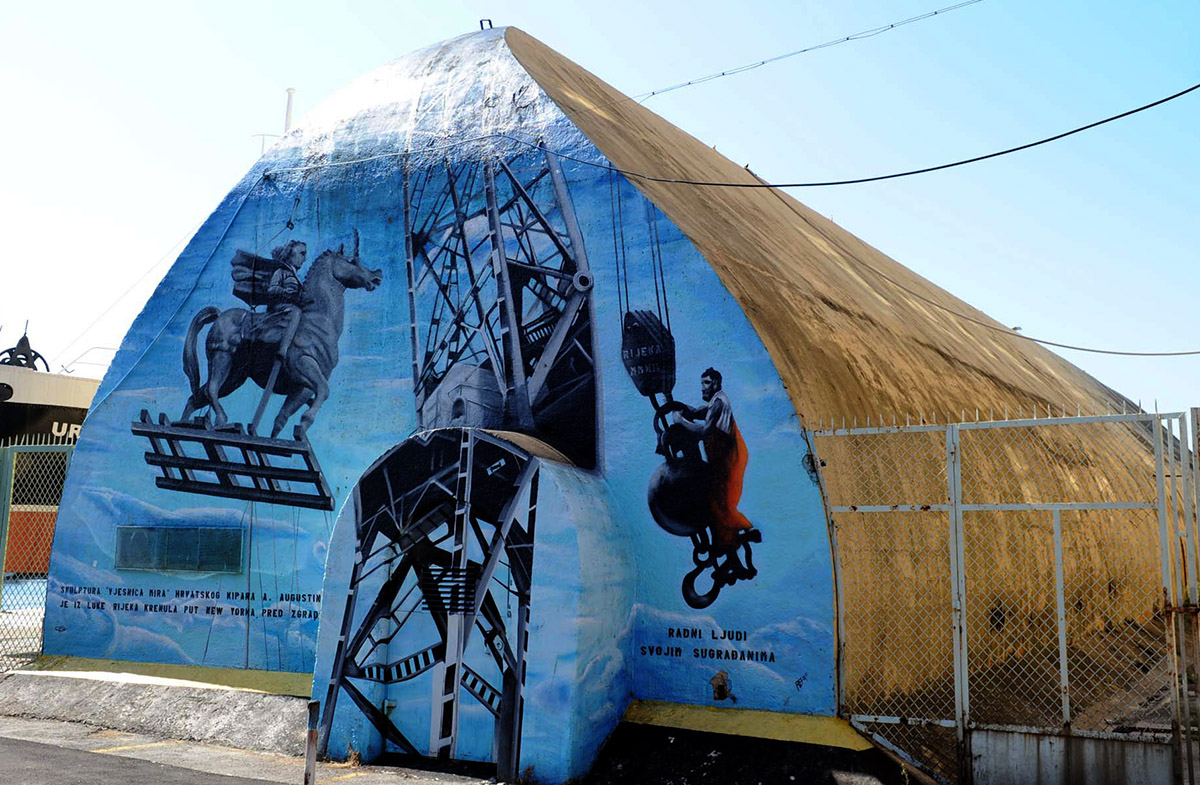
The United Nations, the main tourist attraction in New York, has a monumental new eye-catcher, a statue which dominates the large landscaped gardens. The statue is the latest major addition to a long list of impressive gifts to the U. N. by various nations. Recently it was unveiled in the presence of diplomatic representatives from many parts of the world and presented to the United Nations, on behalf of Yugoslavia, by that country’s chief delegate to the world organization, Dr. Joza Brilej. The bronze statue, 16 feet high, is the figure of a woman riding a horse. In one hand is a palm leaf and in the other a globe. It is intended to represent mankind riding on to peace and to happiness. The artist, Antun Augustincic, is a friend of Marshal Tito, head of the Yugoslavian state, and during its creation he was in frequent conference with the marshal. This correspondent has been told by a Yugoslav U. N. representative here that the work carries out Tito’s feelings toward the U. N. and toward the United States.
The Kansas City Times
Missouri, Thursday, January 20, 1955
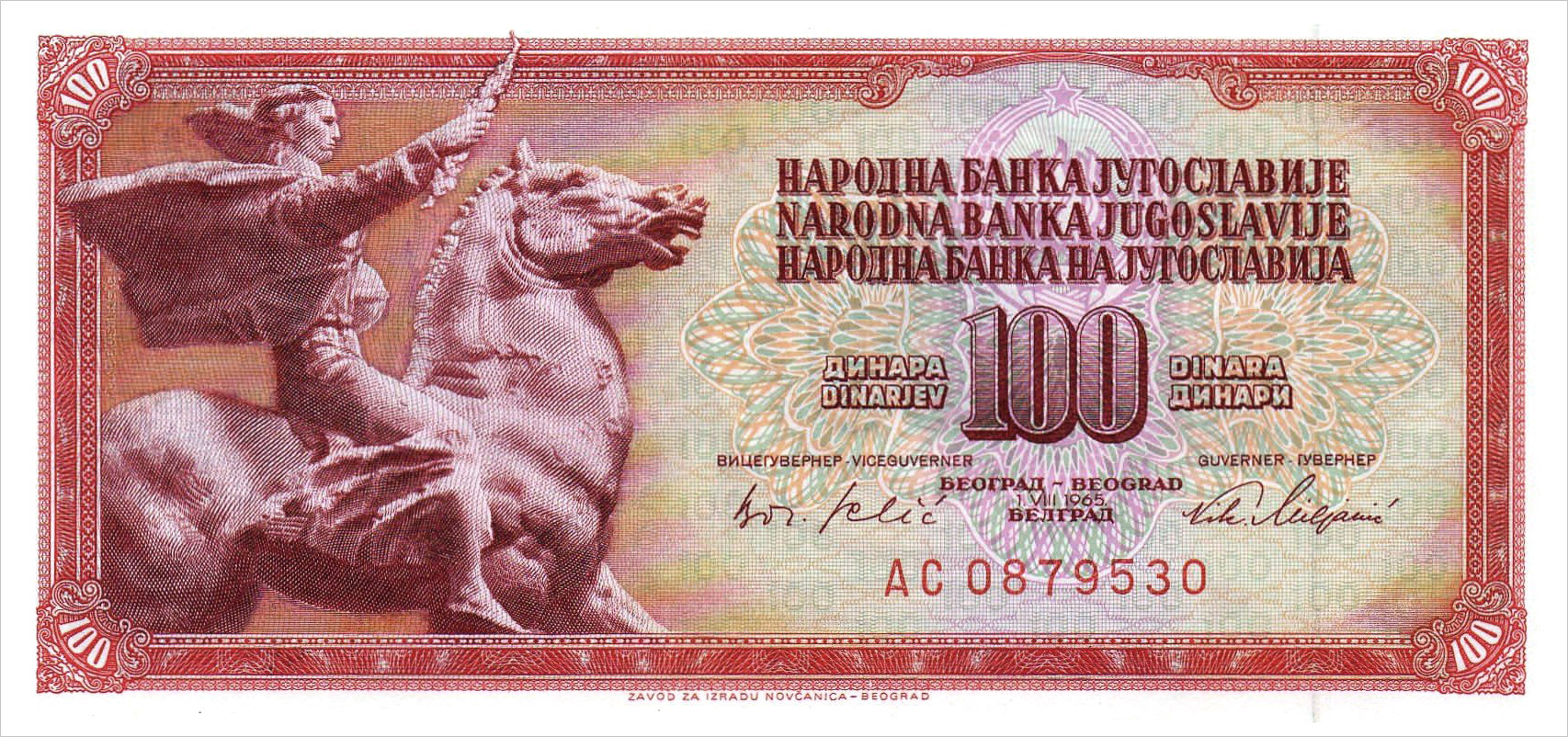
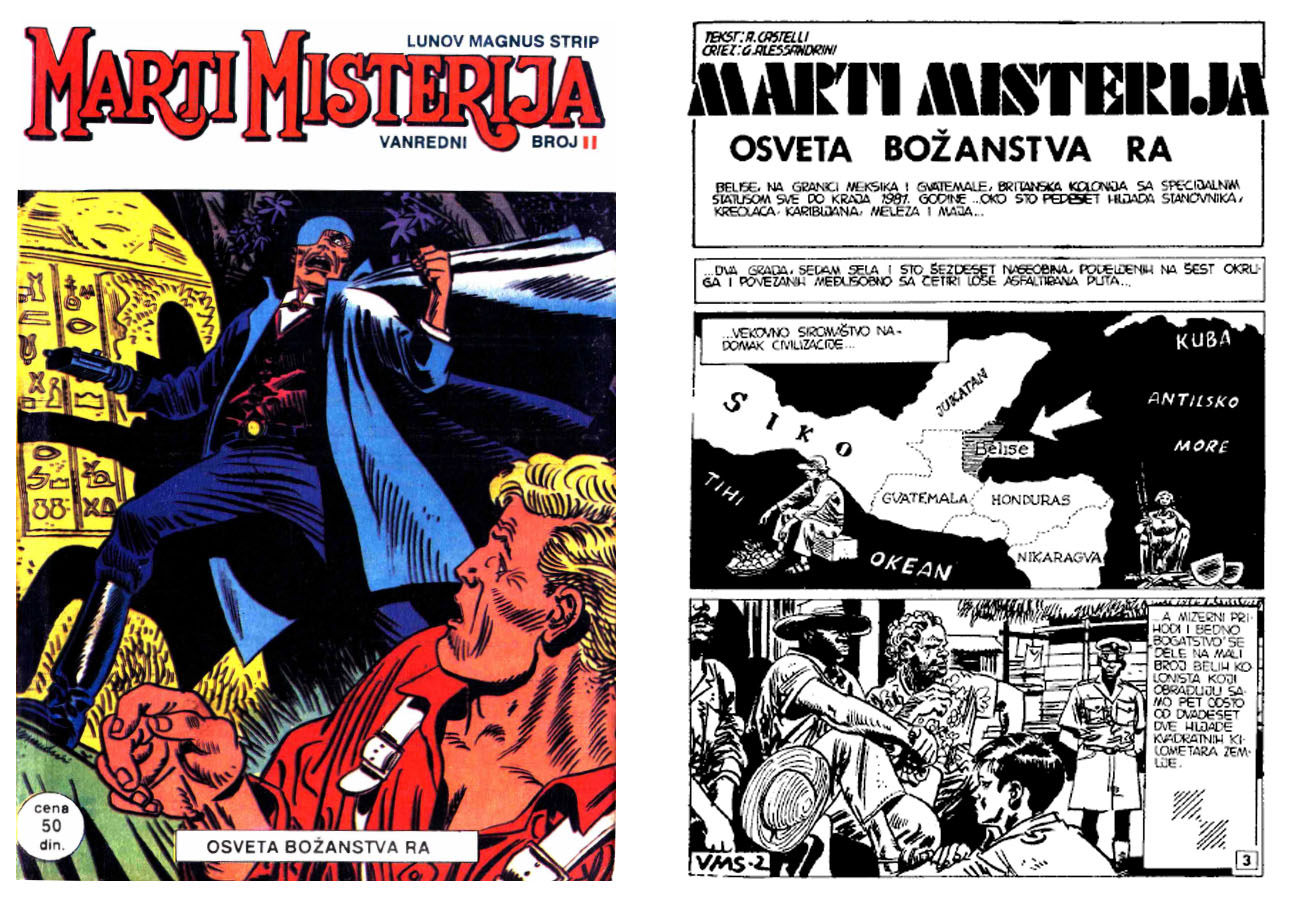
I remember when Martin Mystère appeared at the extravagant price of 50 dinars an issue. I bought the first two issues and scratched the price off the covers so my parents wouldn’t know why I was always hungry in those days. Martin Mystère was an art historian, archaeologist, anthropologist, adventurer, writer, television producer, and collector of unusual objects. He lived in Greenwich Village, New York, on the other side of Manhattan from my horse. In The Revenge of Ra (the second issue I bought), Martin discovers a cave in Belize containing a map of the Earth in the form of a globe. In the story, it proves that both the Maya and the ancient Egyptians knew the Earth was round thirty-five centuries ago. The lady on the horse is holding a globe…
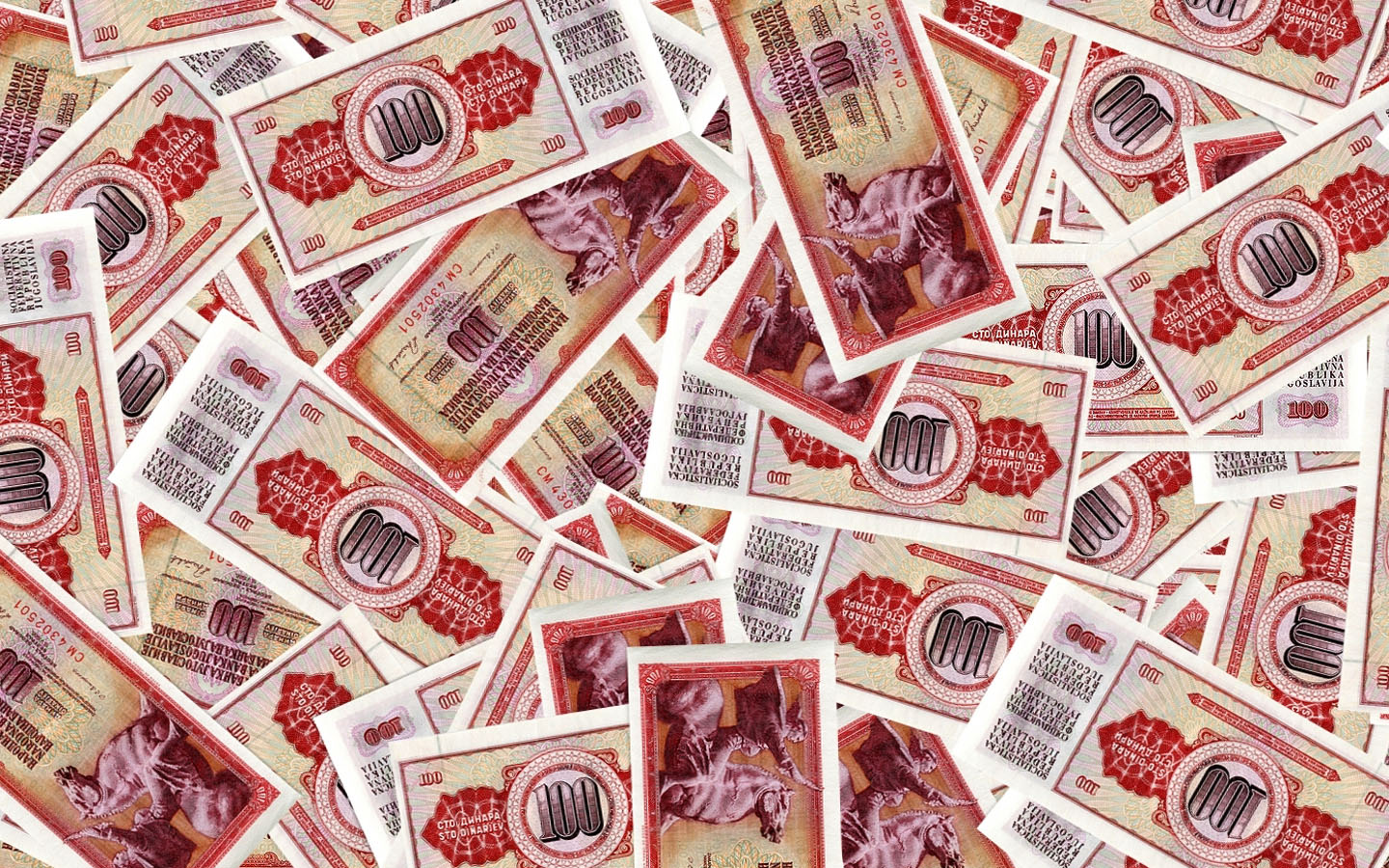
Meanwhile, on this side of the ocean, Yugoslavia was moving quickly towards war, and my lady with the wrong name couldn’t see the misery of hyperinflation. She disappeared from our money in 1993, when the largest denomination in the history of Yugoslav currency appeared: a 500-billion-dinar banknote featuring Jovan Jovanović Zmaj. Wages became worthless. Paid in cash, workers had to rush out and spend their wages before they lost their value overnight. My grandfather’s pension was barely enough to buy three litres of milk. I sold my garage full of comics, including those first issues of Martin Mystère, for 300 Deutsche Marks. We lived on that money for months.
There is no red banknote from my childhood anymore. And although I now have much more money and a whole library of comic books, nothing compares to that day when the progress of mankind seemed well spent.